
PageCraft
Positioning, messaging, and launch strategy for a drag-and-drop web builder.
ICP definition
Positioning
Go-to-market
The situation
PageCraft was a highly flexible drag-and-drop web builder that allowed users to build interfaces from a component library and connect them to APIs, scripts, and backend logic.
That flexibility was also the main positioning problem. The product could theoretically serve many audiences and compete with established website builders, no-code tools, and custom development. But as an early-stage product, it needed a narrower use case where its capabilities solved a specific and urgent problem.
The goal was to identify the strongest initial audience, define a distinct position in the market, and turn it into messaging, a website direction, and a practical launch plan.
That flexibility was also the main positioning problem. The product could theoretically serve many audiences and compete with established website builders, no-code tools, and custom development. But as an early-stage product, it needed a narrower use case where its capabilities solved a specific and urgent problem.
The goal was to identify the strongest initial audience, define a distinct position in the market, and turn it into messaging, a website direction, and a practical launch plan.
What we reviewed
- Product capabilities and potential use cases
- Target audiences and buying motivations
- Existing alternatives
- Customer problems and desired outcomes
- Competitive differentiation
- Website messaging
- Initial acquisition channels and launch tactics
What needed to change
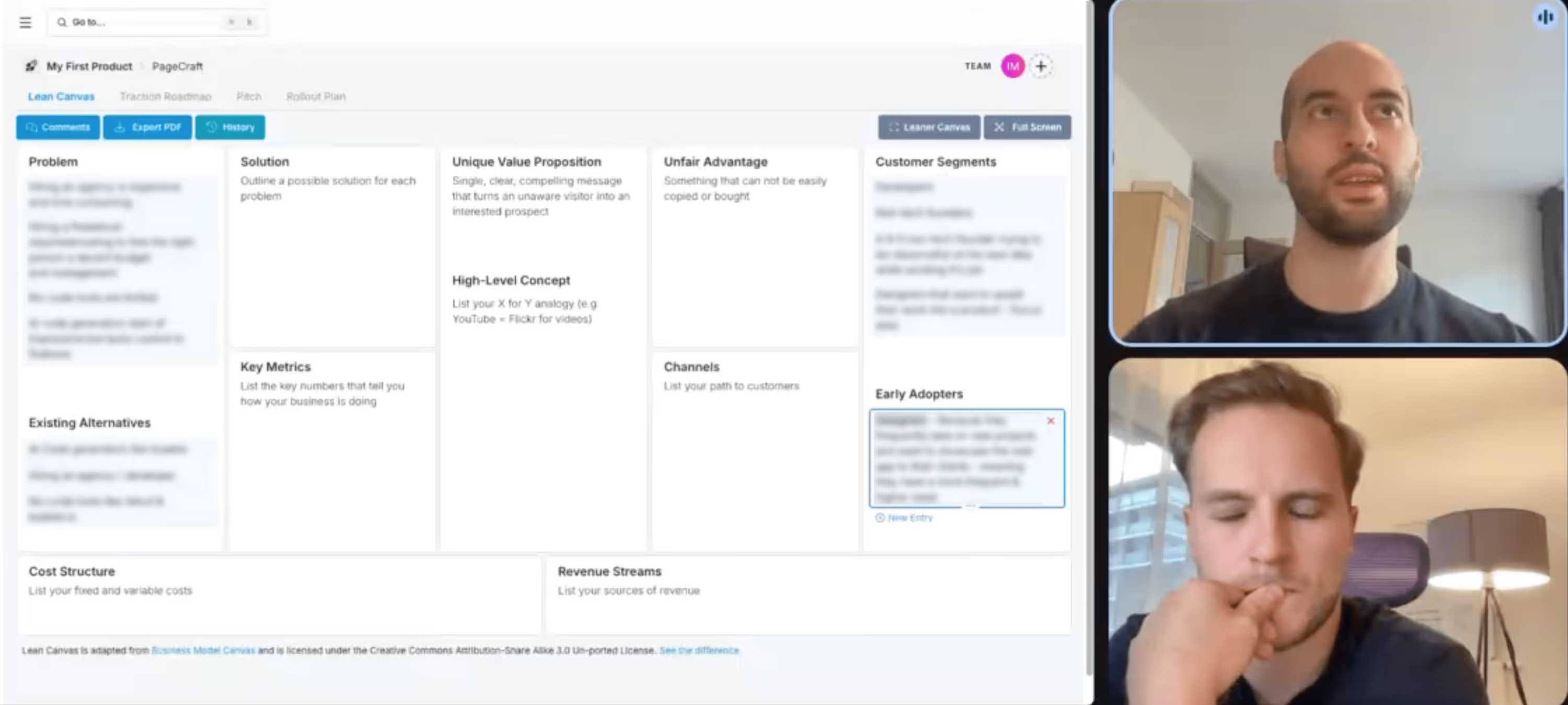
1. The audience was too broad
PageCraft had almost unlimited potential use cases, but no clearly defined primary customer.
2. “Creative freedom” was not a strong enough position
The original value proposition focused on the flexibility of the builder, but did not explain who specifically needed that flexibility or which meaningful problem it solved.
3. The competitive frame worked against the product
When presented as another visual website builder, PageCraft was compared with larger and more mature tools such as Webflow, WordPress, Framer, and Bubble.
What we did
1. Repositioned the product around interactive backend portfolios
PageCraft was positioned as a visual layer that backend developers could connect to APIs, databases, and application logic.
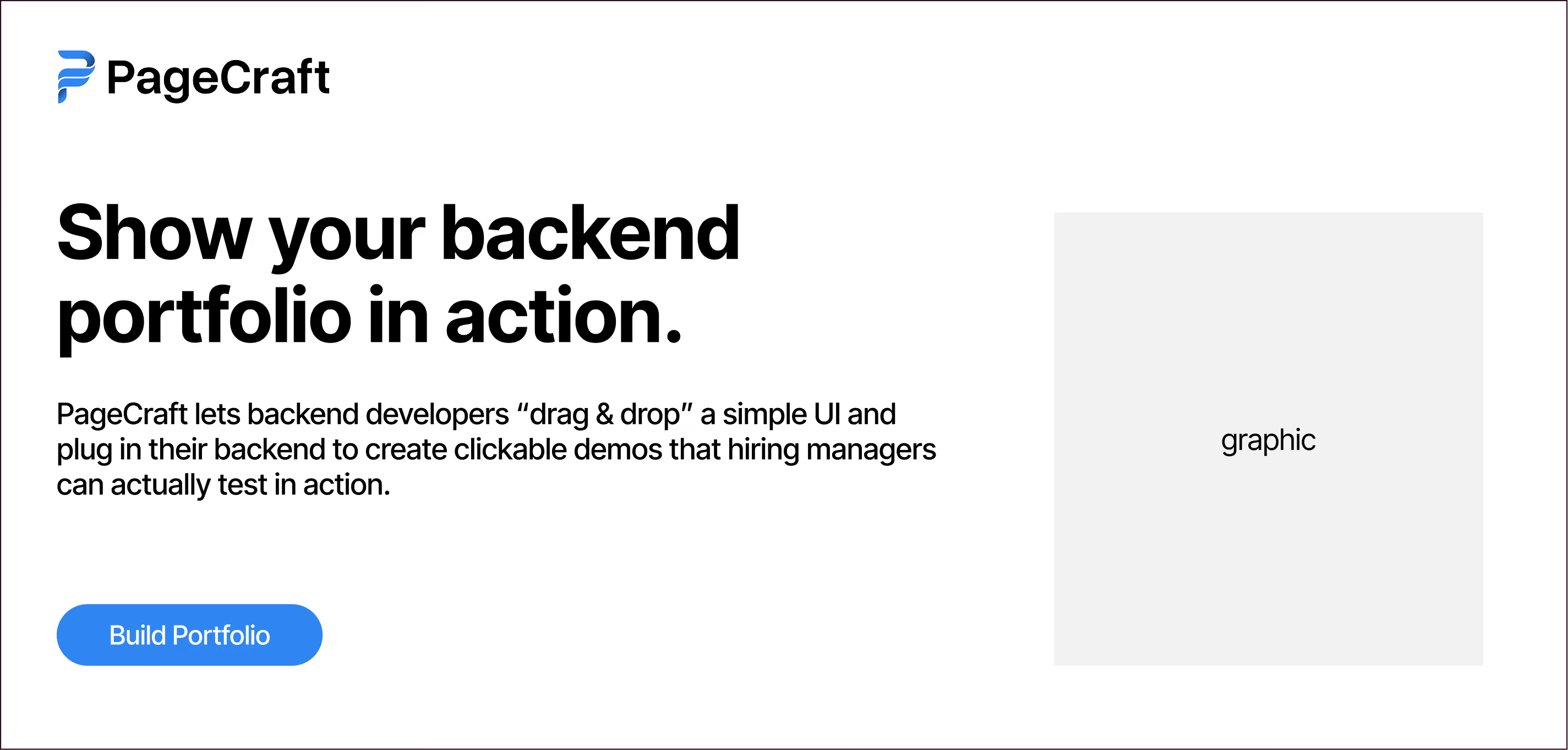
Instead of competing as a general website builder, it offered a way to replace static portfolio examples with working demos that hiring managers could click through and test.
Instead of competing as a general website builder, it offered a way to replace static portfolio examples with working demos that hiring managers could click through and test.
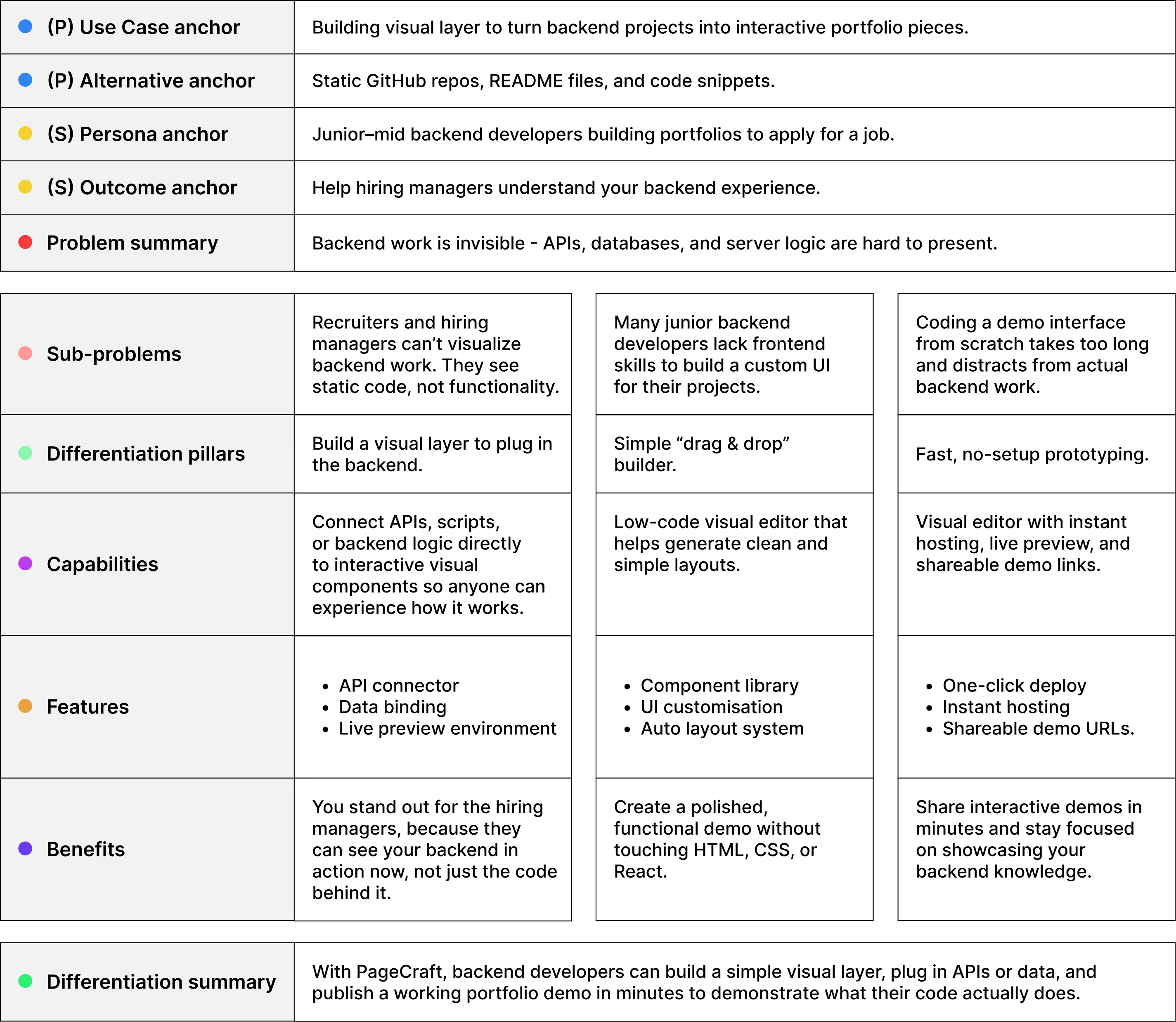
2. Built the messaging framework
The new messaging connected the product’s main capabilities to three specific customer needs:
- Present backend work visually
- Build a simple interface without frontend expertise
- Publish and share a working demo quickly
This became the foundation for the one-line description, elevator pitch, long-form product narrative, and website copy.
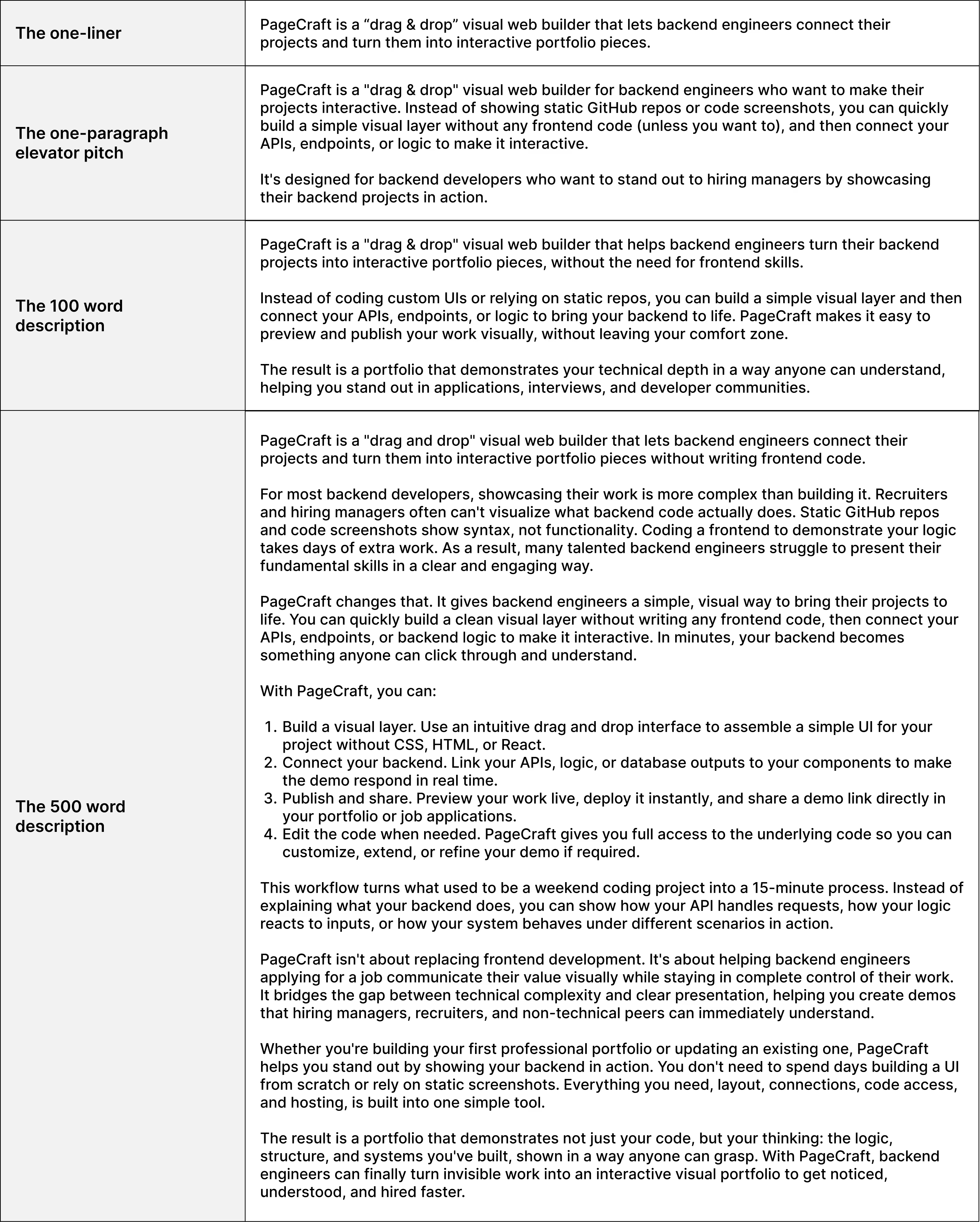
3. Developed the initial launch plan and website wireframe
The launch plan prioritised the channels and activities most relevant to the new audience, including developer communities, organic content, portfolio and job-search use cases, direct outreach, and early product feedback.
The objective was to validate the positioning with a narrow developer segment before expanding into broader use cases.
The objective was to validate the positioning with a narrow developer segment before expanding into broader use cases.
Before
- Post-MVP stage with no defined positioning. Only brief ideas about who Pagecraft might be for.
- Value proposition focused on "creative freedom," which didn't translate into a specific user benefit or problem solved.
- A risk of being compared directly with big players like Webflow, WordPress, and Bubble.io.
After
- Positioning built around a specific use case: help junior–mid backend developers turn invisible backend projects into interactive portfolio pieces.
- A unique value proposition – replace static GitHub repos with clickable demos that hiring managers can test in action.
- A ready-to-use messaging framework that explains what PageCraft is, who it’s for, and how it solves the invisibility problem of backend work.
The outcome
PageCraft left with a clearly defined initial customer, a specific use case, and a position that avoided direct competition with established website builders.
The product was no longer presented as a flexible tool for almost anyone. It became a way for backend developers to turn invisible technical work into interactive portfolio demos that recruiters and hiring managers could understand.
The project also delivered a complete messaging framework, an initial website wireframe, and a practical launch plan for testing the new direction.
The product was no longer presented as a flexible tool for almost anyone. It became a way for backend developers to turn invisible technical work into interactive portfolio demos that recruiters and hiring managers could understand.
The project also delivered a complete messaging framework, an initial website wireframe, and a practical launch plan for testing the new direction.
More Cases


Viktar Milasheuski
Getting better as a product marketer every day except Sundays
viktar.milasheuski@gmail.com