
Svanholm
Positioning and marketing strategy for an AI-powered safety product.
Market segmentation
Positioning

Context
Swanholm Tech was developing an AI-powered safety vest for workers in high-risk environments. The product combined fall detection, emergency alerts, and high visibility in one piece of certified workwear.
The technology was strong, but the market focus was too broad. Swanholm was speaking to several industries at once, which made it difficult to explain who the product was for, which problem mattered most, and why it was different from existing safety solutions.
The technology was strong, but the market focus was too broad. Swanholm was speaking to several industries at once, which made it difficult to explain who the product was for, which problem mattered most, and why it was different from existing safety solutions.
What I worked on
- Market segmentation and ICP definition
- Competitive alternatives
- Positioning and differentiation
- Value proposition
- Messaging framework
- Website direction
- Early marketing priorities
Selected initiatives
1. Market focus
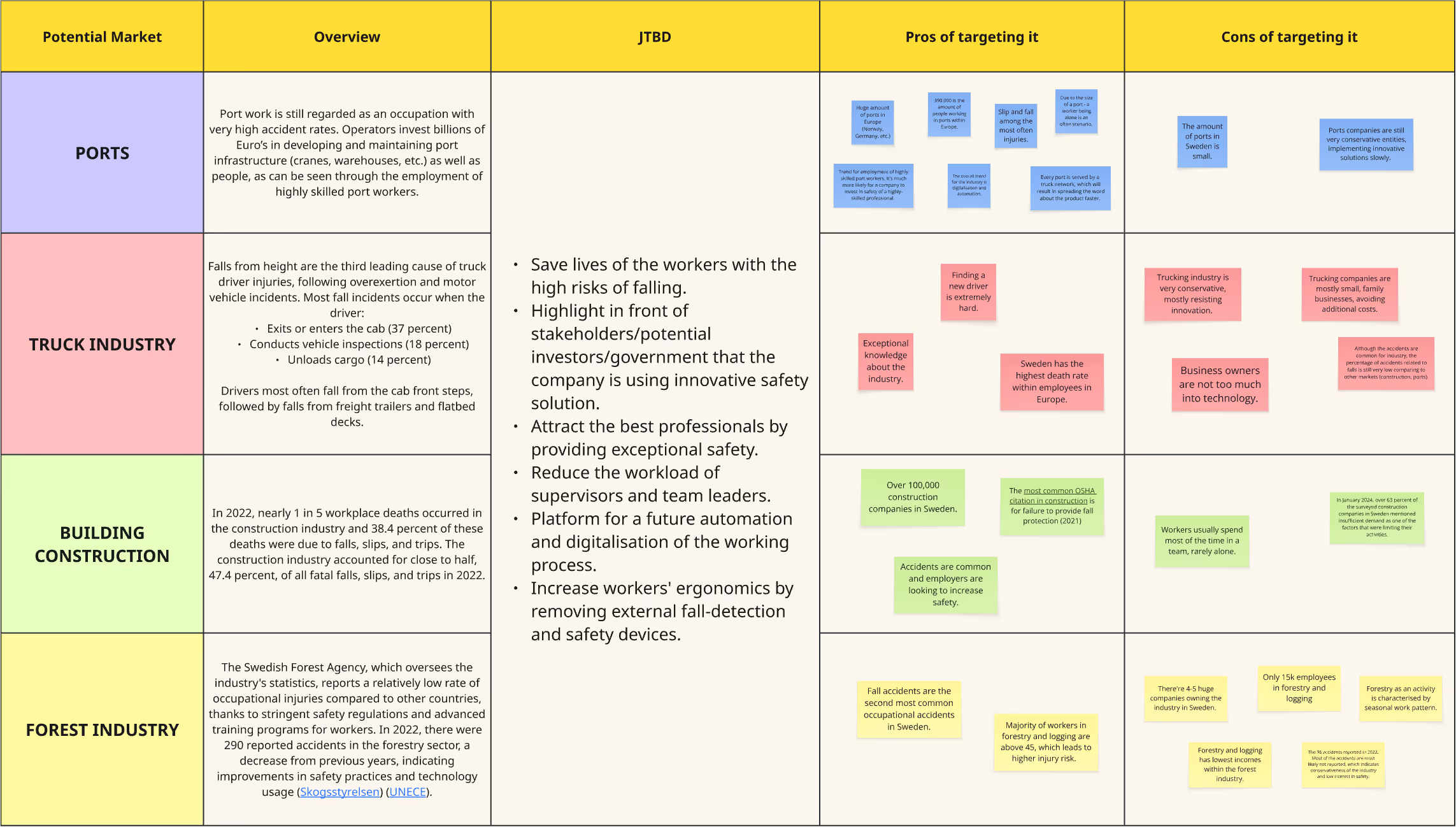
The product could be relevant across ports, construction, trucking, and forestry, but trying to target all of them weakened the message.
What I worked on:
I compared the markets by customer need, buying context, opportunity, and fit with the product.
outcome:
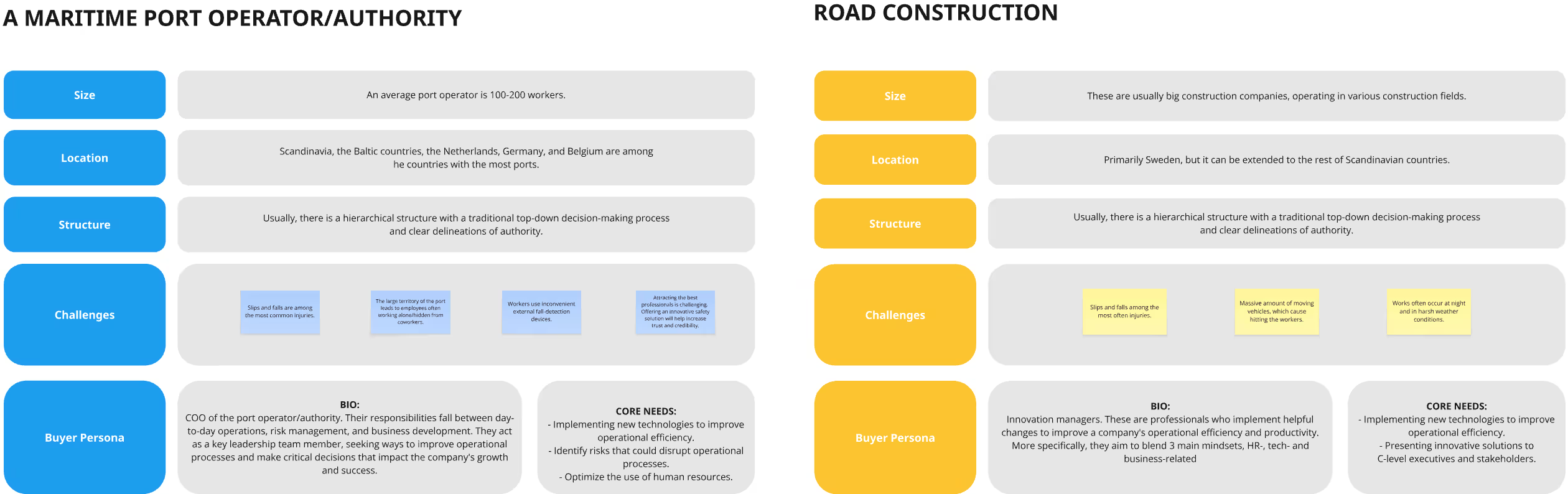
The initial focus narrowed to port operators and road-construction companies, giving the team clearer buyers and use cases to build around.
2. Positioning and value proposition
The product was being compared with generic fall detectors and emergency buttons, even though it solved a broader safety problem.
What I worked on:
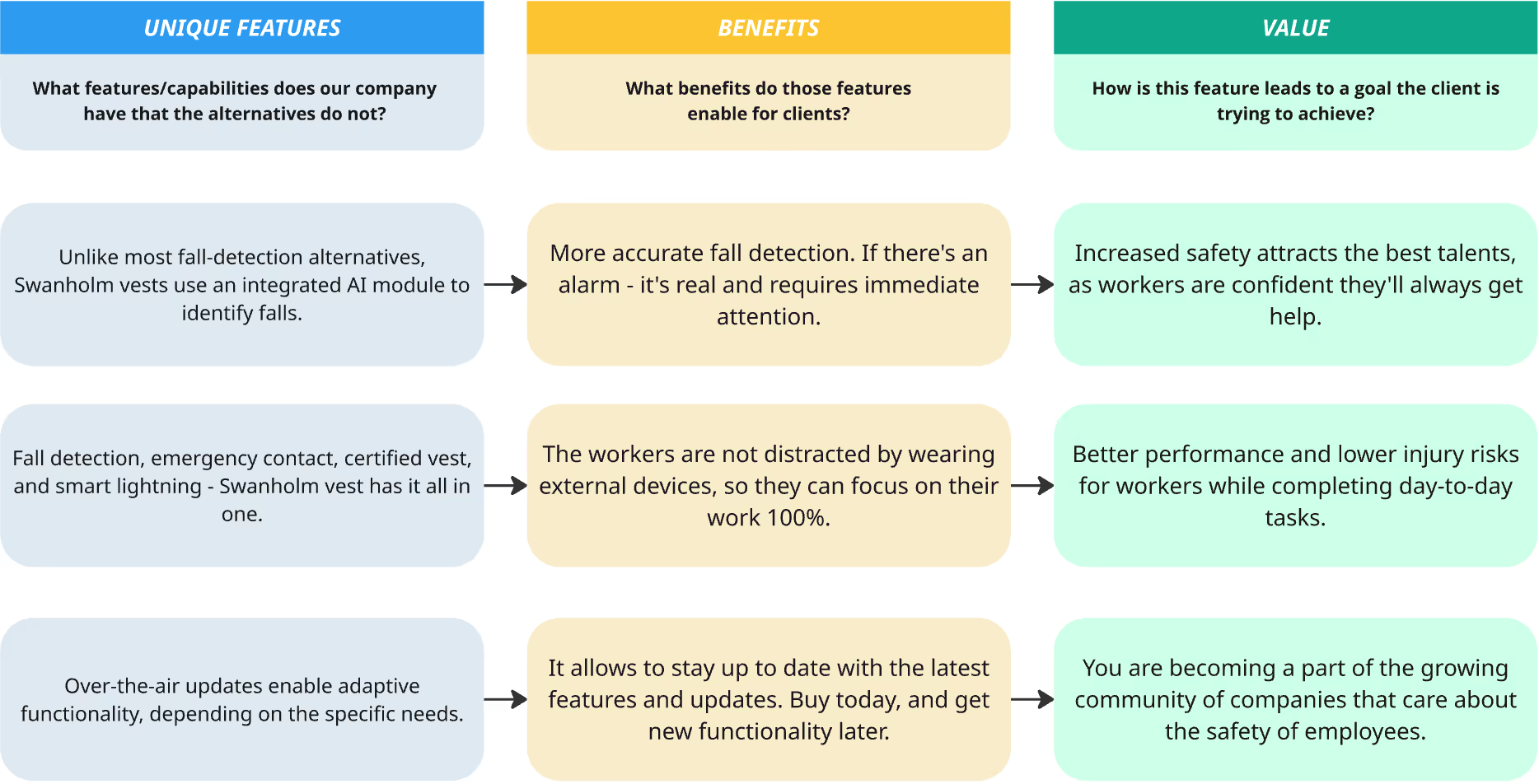
I mapped the main alternatives and connected Swanholm’s product features to practical customer value.
outcome:
The product was positioned as integrated safety workwear that automatically detects real falls and summons help without extra devices, manual buttons, or constant supervision.
ICP definition:
Value proposition:
3. Messaging framework
The existing messaging focused heavily on technology and features, making the business value harder to understand.
What I worked on:
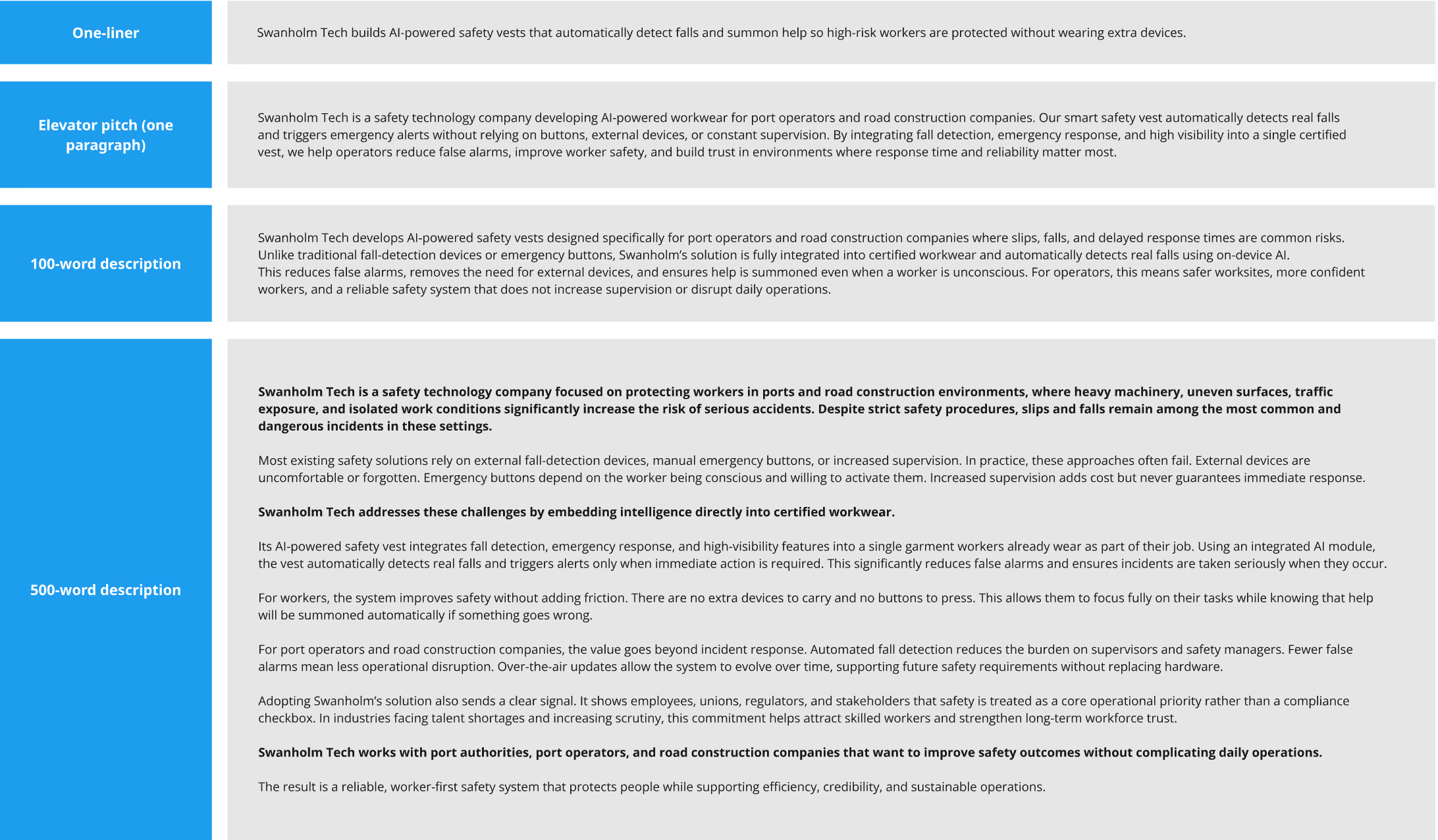
I developed the core narrative, one-line description, elevator pitch, long-form messaging, and recommendations for the website and wider brand communication.
outcome:
Swanholm gained a messaging foundation that clearly explained the target customer, the problem, the competitive difference, and the value of the product.
The outcome
The project gave Swanholm a clearer market focus, stronger positioning, and a practical messaging system for its website, sales conversations, and future campaigns.
Instead of presenting the vest as another safety gadget, the new direction framed it as an integrated safety system for high-risk workplaces where reliable fall detection and fast response matter most.
Instead of presenting the vest as another safety gadget, the new direction framed it as an integrated safety system for high-risk workplaces where reliable fall detection and fast response matter most.
More Cases


Viktar Milasheuski
Getting better as a product marketer every day except Sundays
viktar.milasheuski@gmail.com